
Homelessness in rural communities on the rise
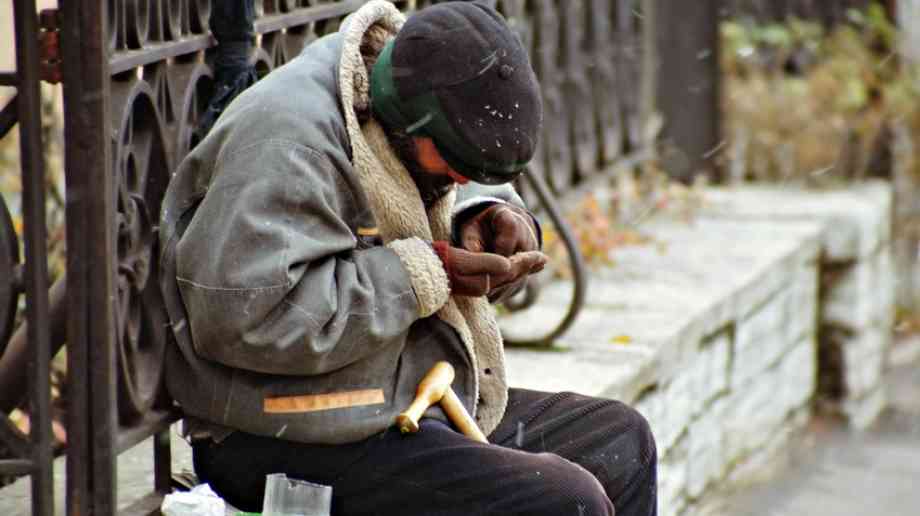
Many households in rural areas are threatened with or experience homelessness, research finds.
Research conducted by the Institute for Public Policy Research (IPPR) has found that: in 2015/15, 6,270 households were accepted as homeless in England’s 91 mainly and largely rural local authorities (LAs); in 16 of these LAs, at least two in every 1,000 households were accepted as homeless; in 2015/16, mainly and largely rural areas in England reported making 12,977 decisions on homelessness approaches - 11 per cent of local authority decisions, nationally; from 2010 to 2016, mainly rural local authorities recorded a rise from 191 to 252 rough sleepers, an increase of 32 per cent, and in largely rural areas there has been a leap of 52 per cent; and the peculiarities of rural areas can make delivering services to prevent and relieve homelessness particularly difficult.
The research, according to the IPPR, has found that central to addressing homelessness in rural areas will be ensuring rural housing markets work for their resident populations by providing affordable accommodation for them. It also highlights things that need to be pursued now, such as rural-specific homelessness strategies and improved monitoring and reporting.
The statistics come as the government are accused of routinely denying support to asylum seekers, leaving them homeless and without food, following new research conducted by Refugee Action.
The research found that the Home Office was missing its own deadlines for finding emergency accommodation for homeless and destitute asylum seekers, and in some cases falsely refusing those who make claims for emergency assistance.
Applications for support have been found to be wrongly rejected. Of the 88 people Refugee Action helped with applications, less than half were initially approved. Of those Refugee Action then assisted to reapply, 93 per cent were subsequently granted, with no new evidence indicating why they were rejected in the first place.
Stephen Hale, chief executive of Refugee Action, said: “It is an appalling scandal and it has to stop. The government does have, on paper, policies and procedures to ensure that people who have fled war, abuse and persecution don’t end up homeless. But in practice they are consistently in flagrant breach of those policies.
“The scale of the Home Office failure to follow those policies and procedures is pretty staggering. In more than nine out of 10 cases for them to change their mind and issue an approval for a request for accommodation and support when they refused it the first time is extraordinary. There’s clearly a huge gulf between what the system should be doing for people and what it’s actually doing in practice.”
Latest News

29/04/2026 - 12:35
4,000 staff at the Department for Work and Pensions have completed part of training designed to transform how the government supports autistic peop

28/04/2026 - 11:21
The government has confirmed it will bring forward further reforms to Right to Buy, the scheme which allows eligible council tenants in England to

28/04/2026 - 10:13
The government has published a new strategy, which describes how the Government Science and Engineering (GSE) profession will strengthen capability

27/04/2026 - 10:19
The government has launched a Digital Waste Tracking service to fight rogue waste traders.

24/04/2026 - 11:01
The Local Government Association (LGA) is calling for social work funding support models to be aligned with nursing, allied health, and teaching.