
The National Association of Fire Door Inspectors (NAFDI) explains why properly inspected, maintained and documented fire doors are essential to safeguarding lives, protecting property and meeting public‑sector fire‑safety obligations
Fire safety is one of the most fundamental responsibilities in the public sector. Whether in schools, hospitals, government offices, or community centres, the duty of care owed to staff, visitors, and vulnerable occupants is clear. Among the many measures designed to protect lives, fire doors are often overlooked. Yet these doors are not ordinary fittings; they are engineered to contain fire and smoke, preserve escape routes, and buy precious time during emergencies. Their effectiveness, however, depends entirely on one factor: upkeep.
NAFDI, the UK’s national body for accredited fire door inspectors, has long championed the principle that fire door maintenance is not simply a regulatory requirement but a moral and practical imperative.
Why fire doors matter
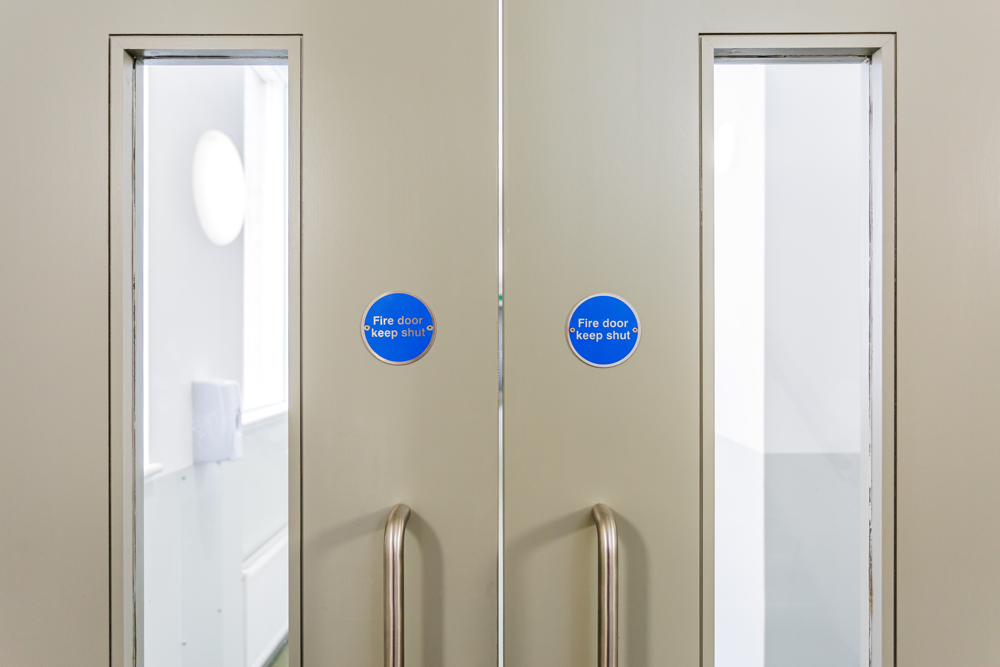
Fire doors are a cornerstone of passive fire protection. Unlike alarms or sprinklers, they do not require activation – their role is constant. In hospitals, they protect vulnerable patients; in schools, they shield classrooms; in offices, they preserve escape routes. A single compromised fire door can undermine an entire safety strategy.
The consequences of neglect
Neglecting fire door maintenance can have devastating consequences. These include loss of life and injury – malfunctioning fire door may fail to contain smoke or flames, endangering occupants. There could be legal and financial repercussions – non-compliance with fire safety regulations can result in fines, prosecution, and reputational damage. Neglect can also lead to property damage – fires spread rapidly when doors fail, causing destruction that functioning fire doors could have mitigated.
Tragic incidents across the UK have shown how overlooked maintenance can turn a manageable fire into a catastrophe.
Legal and regulatory framework
Public bodies are bound by stringent legislation: Regulatory Reform (Fire Safety) Order 2005 requires responsible persons to ensure fire safety measures, including fire doors, are maintained; Building Regulations (Approved Document B) sets standards for fire resistance and installation; and third-party accreditation ensures inspections are carried out by qualified professionals, providing accountability and reassurance.
Compliance is not optional; it is a statutory duty.
Best practices for fire door upkeep
NAFDI recommends a structured, proactive approach including the following.
Regular inspections: accredited inspectors should carry out checks at intervals appropriate to the building type and usage.
Prompt repairs: damaged or non-compliant doors must be repaired or replaced immediately, by qualified professionals.
Documentation: clear records of inspections, repairs, and certifications demonstrate compliance and support legal defence if challenged.
Staff and maintenance team training: fire door awareness must be part of staff induction and ongoing training. Maintenance teams, in particular, should receive specialist instruction on upkeep requirements, recognising faults, and ensuring repairs are carried out correctly.
Staff awareness: training staff to recognise signs of damage, warped frames, missing E
F seals, faulty closers, wedged doors etc, it creates a reporting culture where everyone contributes to safety.
Embracing technology
Modern innovations are transforming upkeep: digital inspection apps streamline reporting and track maintenance schedules; smart sensors monitor door usage and alert managers to faults; and cloud-based records ensure transparency and accessibility across departments.
These tools reduce human error and strengthen accountability.
Case studies in the public sector
In hospitals, routine inspections prevented a potential disaster when faulty hinges were identified and replaced before a fire incident.
Across schools, a proactive maintenance programme ensured compliance, protecting hundreds of pupils during a minor fire outbreak.
In government offices, digital inspection systems improved efficiency, reducing costs while enhancing safety oversight.
Each example underscores the principle: maintenance saves lives and resources.
The moral imperative
Beyond compliance, public sector leaders must embrace the moral responsibility of fire door upkeep. Vulnerable populations – children, patients, the elderly – depend on these protections. Neglect is not just a regulatory failure; it is a breach of trust.
Conclusion
Fire doors are indispensable to public safety. Their upkeep is a legal duty, a practical necessity, and a moral obligation. Public sector organisations must adopt rigorous inspection regimes, embrace technological solutions, and foster a culture of accountability.
NAFDI stands ready to support the public sector with accredited inspections, training, and guidance. Together, we can ensure that fire doors fulfil their vital role: safeguarding lives, protecting property, and upholding the highest standards of public safety.