
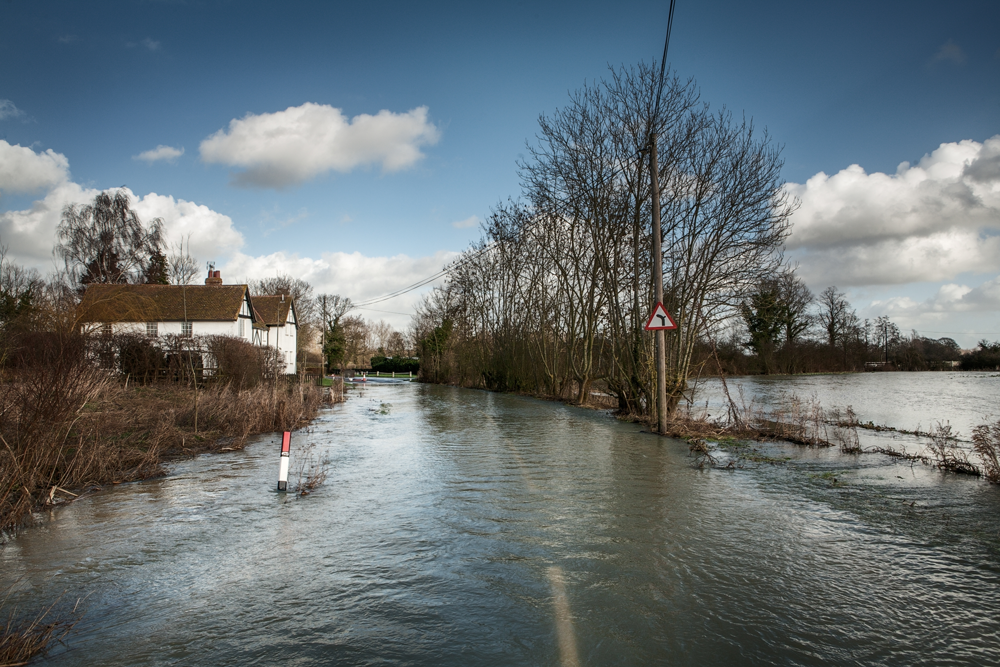
The National Flood Forum sets out why effective flood preparedness depends on properly funded councils, strong community partnerships and sustained investment in resilience
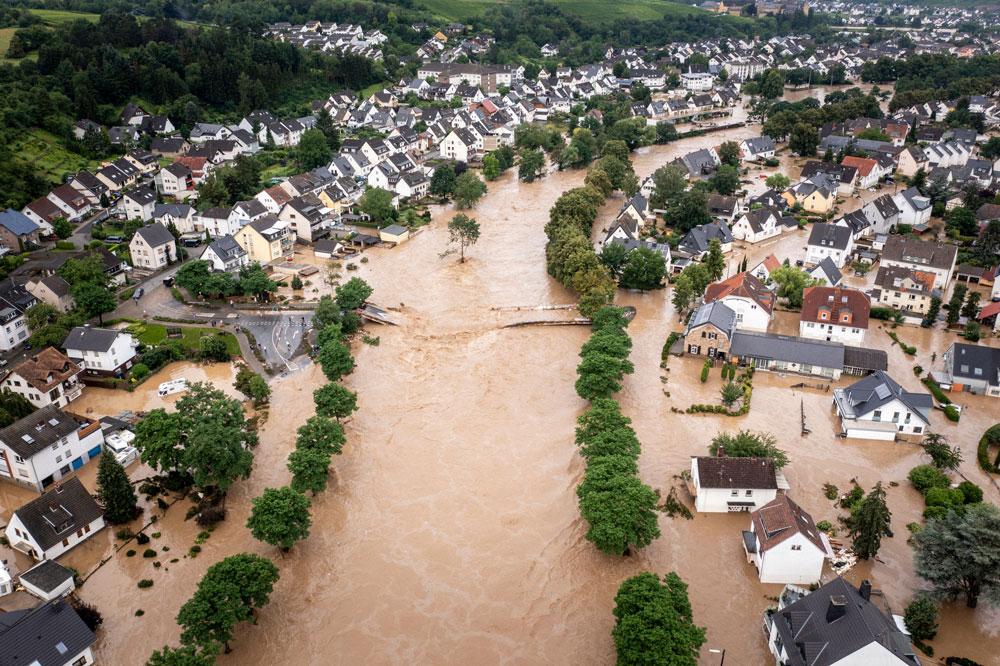
Flooding is no longer an occasional emergency for a small number of places. It is a defining challenge for local government across the UK. Today, most local authorities have communities at risk from flooding, and climate change means that risk is increasing in frequency, severity and complexity.
Local authorities sit at the heart of flood preparedness, response and recovery. They are the first port of call for residents before, during and long after floodwater recedes. They convene partners, coordinate services, support the vulnerable, and help communities rebuild their lives. This role will only grow in importance.
But while expectations of councils continue to rise, the resources available to meet them have not kept pace. Preparedness cannot be delivered on goodwill alone.
Shoestring budgets do not stop floodwater, and they do not deliver the resilience that communities urgently need.
At the National Flood Forum (NFF), we work with local authorities and flood-affected communities across England and Wales. We see daily the dedication, professionalism and care shown by council officers and elected members. We also see how constrained local government finances are hampering the ability to plan ahead, engage meaningfully with communities, and invest in long-term resilience.
This article sets out practical guidance for councils on flood preparedness, resilience and community engagement, alongside examples of what works best when local authorities and residents collaborate. It also makes a clear case: if councils are to support their communities effectively, they must themselves be properly supported.
Preparedness starts long before flooding happens
Effective flood preparation is not just about emergency response plans. It is about embedding flood risk awareness and resilience into everyday local authority activity. Councils that perform well in flood preparedness tend to treat flooding as a cross-cutting issue that requires corporate ownership, not just a responsibility of a single team.
However, doing this well requires staff time, specialist skills and continuity – all of which are under pressure in a system where capacity is stretched and turnover is high.
Key flood preparation considerations include understanding local flood risk across all sources – rivers, surface water, groundwater, sewer flooding and coastal risk and integrating flood risk into local planning, housing, highways, public health and social care, rather than treating it as a standalone issue.
Other preparation considerations include maintaining strong relationships with the Environment Agency, water companies, internal drainage boards, emergency services and voluntary organisations and identifying vulnerable residents who may need additional support before and during flood events.
Community engagement is not optional – it is essential
Flood-affected communities are not passive recipients of support. They hold vital local knowledge and, when properly engaged, become powerful partners in preparedness and resilience.
The most effective councils recognise that working with communities is not an added extra – it is central to good flood risk management. Best practice includes supporting or working alongside Flood Action Groups (FAGs) or similar community groups; involving residents early in discussions about flood risk, not just after events occur; being honest about what councils can and cannot do, while committing to work together on what is possible; and providing clear, consistent communication before, during and after flood events.
Where this approach is taken, trust builds over time. Communities become better prepared, misinformation reduces, and recovery is faster and less traumatic.
Working with Flood Action Groups
Across the country, local authorities that actively support Flood Action Groups see tangible benefits.
Flood Action Groups are a collaboration between the council, local businesses and residents and help to support preparedness, share real-time information during events, and strengthen recovery planning. A Flood Action Group provides a structured way for local knowledge to inform decision-making, while the council benefits from a trusted route to engage with those most affected.
Where councils provide light-touch support – such as officer time, meeting space or small amounts of funding – community groups can deliver significant value, often far exceeding the initial investment.
The reality of local government finances
It is important to be clear: local authorities are not failing communities affected by flooding. They are operating in an extremely constrained financial environment while dealing with rising demand across multiple services.
Officers working in flood risk management, emergency planning, housing and environmental services care deeply about the people and places they serve. Many go well beyond their job descriptions during flood events. But commitment alone cannot compensate for under-resourcing.
Preparedness takes time. Community engagement takes time. Building trust takes time. When teams are reduced to crisis response mode, opportunities to plan ahead and build resilience are lost.
If government expects councils to play a central role in flood resilience – as national strategies rightly suggest – then councils must be given the tools to do so.
What councils need to be able to deliver
From the National Flood Forum’s perspective, effective flood preparedness at local level requires sustainable funding, not just competitive short-term pots; greater flexibility in how flood and resilience funding can be used; recognition of community engagement as a core activity, not a “nice to have”; support for skills and capacity, including training and knowledge sharing; and a long-term approach that matches the long-term nature of flood risk.
A shared challenge, a shared responsibility
Flooding will remain one of the most complex challenges facing local authorities. Councils cannot address it alone, and communities cannot be expected to shoulder the burden without support.
What gives us hope is what already works: dedicated council officers, engaged residents, strong partnerships and practical collaboration on the ground. Where these elements come together, communities are better prepared, more resilient and recover more quickly.
The task now is to ensure that this good practice becomes the norm rather than the exception – and that local authorities are properly resourced to do the job they are being asked to do.
Because while care, commitment and collaboration matter enormously, they must be backed by the funding and support that real flood preparedness demands.