Government invests £955 million in bus services
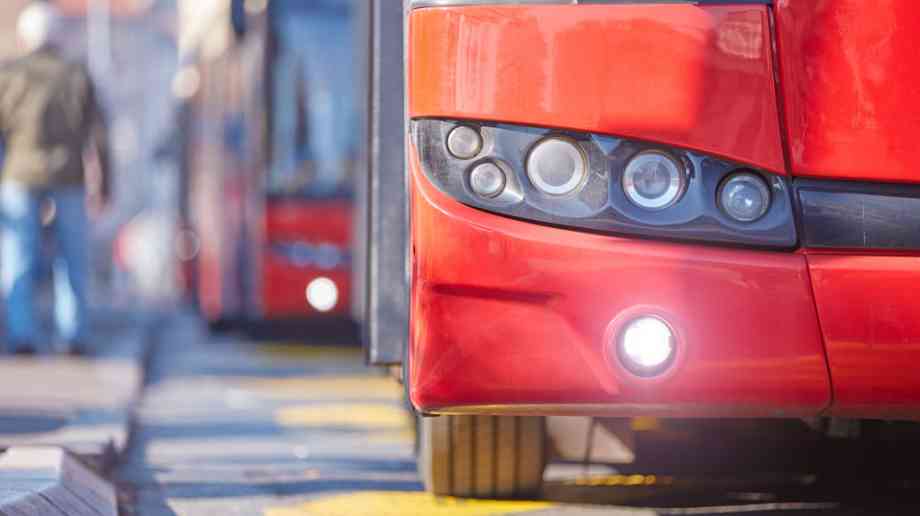
The government has announced funding to develop better bus services across the country, with £955 million set aside to support services until 2026.
Transport secretary Louise Haigh has announced £712 million funding for local authorities to ensure better bus services to help further the government's mission to deliver growth across the country. She has also promised another £243 million for bus operators in order to keep fares lower and services frequent.
This funding will particularly benefit areas which have been historically neglected by transport routes, like rural areas and small towns. With this funding, more urban areas will be able to maintain high levels of service, while other areas will be able to increase their services offered.
The £955 million investment into bus improvements delivers once-in-a-generation reform to provide London-style bus services across the country, including areas like Leicester, the Isle of Wight, Torbay, Cambridgeshire, and Peterborough, which will experience funding never seen before. Louise Haigh explained: "It's why we're providing over £1bn of funding to keep fares down, protect local routes and deliver more reliable services."
This investment aims to enhance popular routes, protect rural services, increase bus use for leisure activities, support services between towns and hospitals in line with the government's plans to reform the NHS, as well as prevent service reductions and improve punctuality. All of this intends to end the postcode lottery of unreliable services.
Passengers have frequently faced the effects of inconsistent bus funding, with services suffering from poor investment. Louise Haigh has commented: "Buses are the lifeblood of communities, but the system is broken. Too often, passengers are left waiting hours for buses that don't turn up - and some have been cut altogether."
Today's new investment plan marks the end of such unreliability, with funding being allocated based on each area's needs, levels of deprivation, and population, in order to prevent areas from competing for funding.
Nationwide, local authorities can use this funding to support community events, ease the pressure off commuters, or boost tourism, encouraging social mobility by ensuring those who need it most are met with adequate support. Some of the biggest allocations in urban areas are £17 million to South Yorkshire, and nearly £21 million in Liverpool City Region, as well as rural councils receiving large allocations, including £27 million in Lancashire, £23 million in Kent, £17 million in Essex, and £15 million in Norfolk.
Buses are the most integral form of public transport, and the government plans to undo decades of failed deregulation. To give local councils across England greater power in delivering bus services for their own communities, the introduction of the Buses Bill in the coming weeks will encourage local leaders to create updated and vital bus networks that put their people first. Louise Haigh has said: "This is part of our wider plan to put passengers first and give every community the power to take back control of their bus services through franchising or public ownership."
£150 million of the total £955 million investment plan has been put towards capping fares at £3 to help people with high costs of living and travel costs. This will run until 31st December 2025, facilitating savings of up to 80 percent on some routes, and works alongside £200 million City Region Sustainable Transport Settlements funding announced in the autumn budget to improve local transport services and encourage growth across the UK.
This government aims to deliver growth through investment and reform, with more jobs and more income, to rebuild Britain. Louise Haigh has promised: "By delivering better buses, we'll ensure people have proper access to jobs and opportunities - powering economic growth in every corner of the country."
Latest News

17/04/2026 - 10:40
New research by Vauxhall has found that 42 per cent of councils will have cross-pavement charging available by the end of 2026.

16/04/2026 - 11:39
The Home Office has published new guidance to support the implementation of Martyn's Law.

16/04/2026 - 08:05
Under new reforms to make the council tax system fairer, vulnerable people will have more time and support to settle their outstanding council tax

16/04/2026 - 07:51
The Environment Agency has confirmed it has exceeded its two-year property protection target by nearly 10,000.
15/04/2026 - 11:31
Water companies have paid £8.5 million into environmental restoration projects as part of a strengthened crackdown on pollution and poor perf