
Forty new neighbourhoods have joined the government’s Pride in Place programme, giving local residents a direct role in deciding how up to £20 million is invested in their area over the next decade
In February, 40 new neighbourhoods joined the government’s Pride in Place programme. This brings the total number of areas awarded funding up to 380
Local people in these areas will get the power to decide how up to £20 million is invested in their local area.
Neighbourhood Boards, made up of local residents will oversee the funding allocated to their communities.
In Ramsgate, £500,00 was used to secure the freehold of the town’s last remaining youth centre and in Elgin, Scotland, £1 million has been set aside to build a brand-new regional athletics hub.
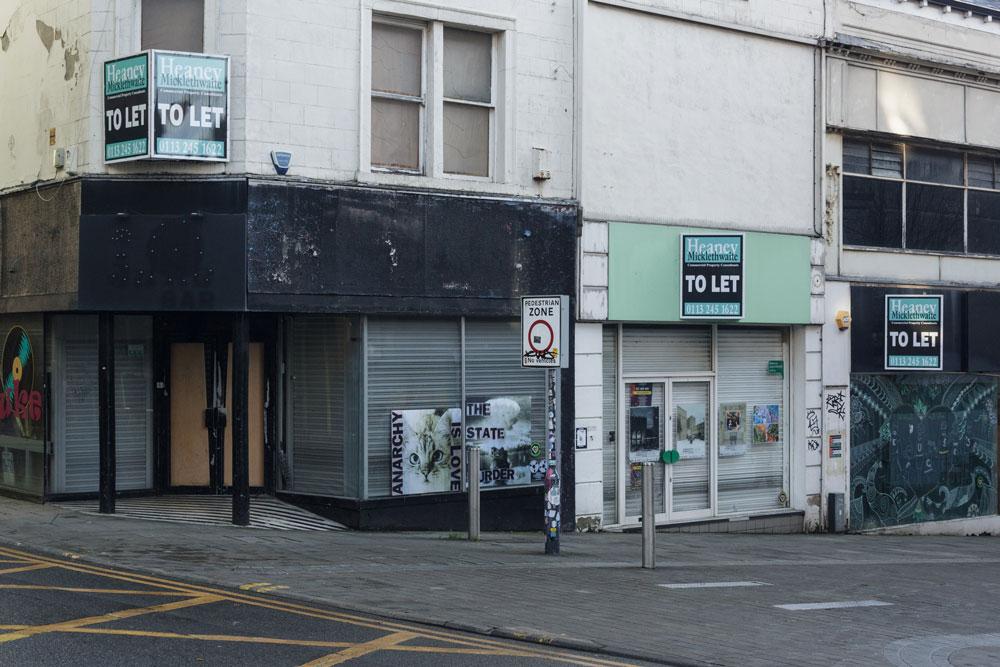
Prime Minister Keir Starmer said: “It is the same story in towns across the country. Youth clubs that have been abandoned, shops boarded up and high streets decimated.
“We must reverse the devastating decline in our communities and give power, agency and control to the very people who want to improve their community – those who have skin in the game.
“Through the Pride in Place Programme, communities – backed by the state and fired up by pride – will join the fight for national renewal and a Britain built for all.”
Communities Secretary Steve Reed said: “Pride in Place is about giving power to local people who know best what needs to change in their area.
“The ambitious plans we’re seeing take shape in communities across the country is proof that when you give local people the tools to do the job – things get better.”
What is Pride in Place?
The Pride in Place Programme will deliver £5 billion to hundreds of areas across the UK. Each area is to receive up to £20 million of funding and support over the next 10 years to make long-term improvements.
The Programme aims to give power to local people and partnerships, bringing together residents, the local MP, the council, businesses and community organisations to decide how they would like to shape their area.
Each area will form a ‘Neighbourhood Board’, bringing together residents, local businesses, grassroots campaigners, workplace representatives, faith leaders, and community organisations. The Board will generate a vision for the future of their area and set out a pathway to deliver that over the course of the 10-year programme.
Communities will be able to spend the funding on what matters most to them, this could include improvements to pavements and high streets and investing in culture and green spaces.
One of the areas to receive funding is Bootle South, in Sefton, in the Liverpool City region. Deb Blakemore, Living Well Sefton Manager said: “The people know their community incredibly well, and they have a lot of knowledge and a lot of skills that could really be utilised to improve the area.
“There’s a lot of organisations in the community that do really good work helping people with social determinants of health, things like finance, benefits and debt.
“There are organisations that support people with employment and training, with neurodiversity that I think would be really beneficial to the community.
“I think they are the people that I would like to see, really being able to have a say in where that funding is spent and how it’s spent.”