
From 2027, more than 7,000 businesses will have their energy bills reduced by up to 25 per cent from 2027, as part of the government’s new Industrial Strategy.
The new Industry Strategy, to be unveiled today (Monday 23rd June) sets out a ten-year plan to boost investment, create jobs and make Britain ideal for businesses by tackling its high electricity prices and long waits for grid connections.
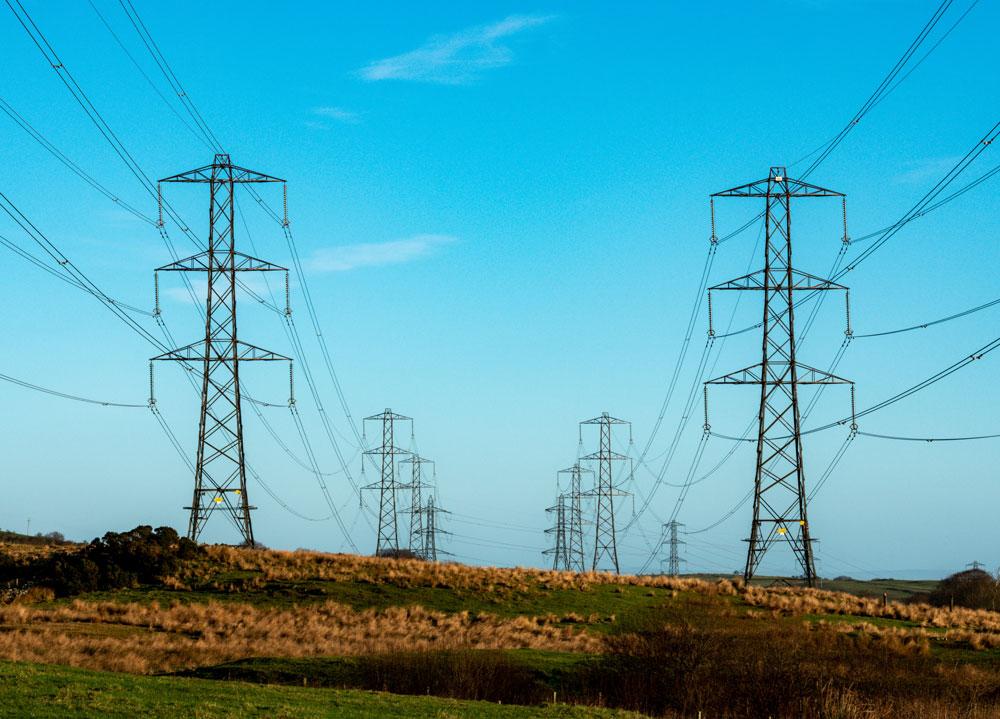
British businesses currently pay very high electricity prices, with those looking to expand or modernise also facing delays with connecting to the grid.
From 2027, the British Industrial Competitiveness Scheme will reduce electricity costs up to £40 per megawatt hour for over 7,000 electricity-intensive businesses in manufacturing sectors like automative, aerospace and chemicals.
These firms will be exempt from paying levies like the Renewables Obligation, Feed-in Tariffs and the Capacity Market to boost competition.
Additionally, the government is boosting support for the most energy-intensive firms like steel, chemicals, and glass by covering more of their electricity charges they normally must pay to the British Industry Supercharger. Their current 60 per cent discount will increase to 90 per cent from 2026.
This will help around 500 eligible businesses in sectors such as steel, ceramics, and glass reduce their costs and protect jobs in vital industries.
Furthermore, the new Industrial Strategy will include a Connections Accelerator Service to streamline grid access to major projects, which will prioritise those that will provide high-quality jobs and provide significant economic benefits.
Prime minister Keir Starmer said: “This Industrial Strategy marks a turning point for Britain’s economy and a clear break from the short-termism and sticking plasters of the past.
“In an era of global economic instability, it delivers the long term certainty and direction British businesses need to invest, innovate and create good jobs that put more money in people’s pockets as part of the plan for change.
“This is how we power Britain’s future—by backing the sectors where we lead, removing the barriers that hold us back, and setting out a clear path to build a stronger economy that works for working people. Our message is clear—Britain is back and open for business.”