New planning appeals process comes into force

2 April 2026
New planning appeals process comes into force
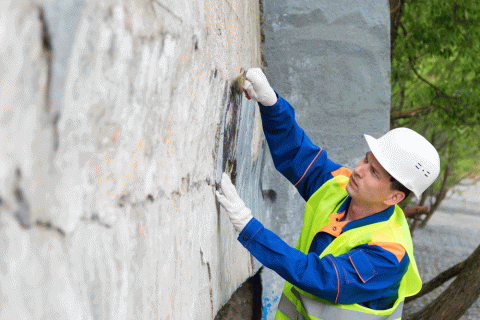
As of 1 April, most planning applications made to local planning authorities will follow a new, simpler route if they are appealed and decided via written representations.
The changes have been made to keep decisions local and provide a quicker route for appeals. 
The changes were made in regulations laid by government in February 2026.
Image

£12.6 million for Welsh towns and high streets

1 April 2026
£12.6 million for Welsh towns and high streets
The Welsh Government has announced £12.6 million of funding to transform town centres from the Transforming Towns programme.
The money will support projects such as the redevelopment of 1 Oxford Street and Phase 2 of the Potters Wheel project in Swansea, the redevelopment of the Grade II listed Merthyr Synagogue, and the development of Placemaking Plans for Adamsdown, Splott, Butetown and Cardiff Bay.
Image

£50 million for affordable homes in London

1 April 2026
£50 million for affordable homes in London
The Mayor of London has approved a £50 million investment to support the delivery of more than 500 affordable homes across the capital by March 2032.
The money will come from the Homes for Londoners Land Fund, a programme designed to accelerate housing delivery and increase the supply of affordable homes in London.
The Land Fund has already started more than 8000 new homes.
City Hall is to provide a £50 million loan to Peabody, one of the capital’s largest housing associations.
Image

Simpler Recycling comes into force

31 March 2026
Simpler Recycling comes into force
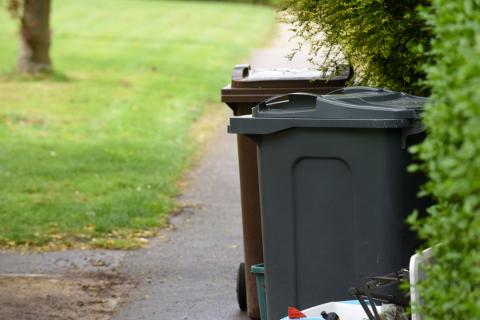
Simpler Recycling has come into effect for households across England.
It is hoped the scheme will boost recycling rates and cut the amount of waste sent to landfill or incineration.
Simpler Recycling should enable consistent and streamlined collections.
Waste collectors must now collect the following types of waste separately: food and garden waste; paper and card; all other dry recyclable materials (glass, metal and plastic, including cartons); and residual waste (non-recyclable waste that is sent for energy recovery or to landfill).
Image

Grants to strengthen public sector food procurement

31 March 2026
Grants to strengthen public sector food procurement
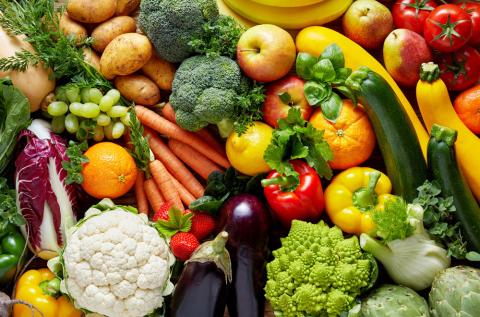
A number of English local authorities have been awarded £155,000 each to improve food procurement practices.
Pupils, patients and public sector workers are set to benefit from healthier, more sustainably sourced meals.
Councils will use the funding to improve how food is procured, increase the provision of healthier and more sustainable food options, and support local and small food businesses to understand better how to supply to the public sector. 
The public sector currently spends £4.9 billion on food and catering every year.

Image
Fruit & Veg