
NASC explains why credible contractors, competent CISRS‑qualified operatives and compliant scaffold designs are essential for public‑sector clients commissioning work at height
It wraps around buildings we use every day and hangs high above our busy high streets, doing a job people rarely think about until something goes wrong. But for local authorities, housing associations and any government departments commissioning work at height, picking the right scaffolding contractor for a project is one of the most important appointments they make.
Get it right and work proceeds safely, on time and within budget, with properly trained operatives working to nationally recognised standards. Get it wrong and the consequences can be severe, not just financially, but in terms of public safety, legal liability and reputational damage.
A wide-ranging service sector
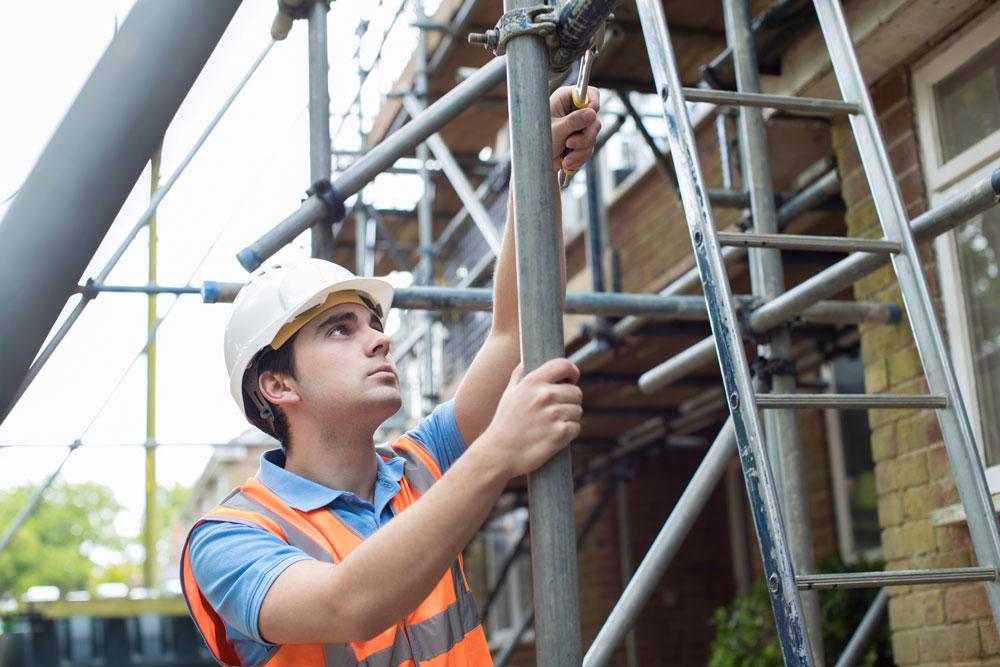
It is worth starting with a basic but often overlooked point; scaffolding is not just about construction. It is a safety-critical, highly technical engineering service that requires significant skill, training and competence at every level, from operatives to directors.
The UK scaffolding sector contributes to virtually every area of the economy. While construction remains the most significant market for scaffolding, and every major building project, from housing developments to commercial towers, depends on safe, professionally designed access solutions, construction is only part of the story.
You’ll find scaffolding wherever people need to work safely at height or access difficult environments. From maintaining critical energy infrastructure like offshore platforms in the North Sea to providing complex access solutions inside factories and industrial plants, scaffolding supports a range of sectors. It’s a vital part of everything from the heritage sector to aviation, outdoor events to the film industry.
Don’t procure on price alone
But it’s an industry where procurement decisions are too often driven by price, with insufficient attention paid to standards and qualifications. The results of poor procurement can be catastrophic.
Poorly erected or inadequately maintained scaffolding puts workers and members of the public at risk. For public sector clients, with a duty of care to both their workforce and the wider communities they serve, this is not a theoretical risk.
The Building Safety Act (BSA) has introduced new duties for clients, principal designers and principal contractors on higher-risk buildings, with greater scrutiny at each gateway stage of a project. While scaffolding is viewed as temporary works and not always within scope of the BSA, this doesn’t mean competence and standards are less vital. Due diligence on scaffolding contractors is not optional. Clients need to be able to demonstrate that the contractors they appoint are competent, their workforce is properly qualified and that appropriate risk management processes are in place throughout a project.
NASC is the UK’s leading trade body for scaffolding and access. Membership of NASC is the clearest and most reliable indicator available to clients that a contractor meets the highest standards of safety, competence and professionalism. NASC is the only UK trade body in the sector with a contractor membership that is 100 per cent audited. NASC’s Safety Report for 2026, based on RIDDORS submitted by 100 per cent of membership, showed no fatalities. This compares to wider industry data from the No Falls Foundation showing 31 deaths in 2025/26.
Contractors who want to join NASC undergo rigorous independent auditing. To achieve and maintain membership, they must demonstrate consistent compliance with NASC’s technical guidance, health and safety standards and contractual requirements.
A competent workforce is critical
Importantly, NASC members are required to prove that 90 per cent of their operative workforce holds a valid Construction Industry Scaffolders Record Scheme (CISRS) card. CISRS has been the recognised mark of competence for scaffolders in the UK for over half a century.
This matters enormously. There are still too many operatives working in scaffolding without proper qualifications, and too many contractors with no accountability to any industry body.
NASC members represent around 80 per cent of the UK scaffolding market by turnover and these are the contractors public sector clients should be appointing.
A valid CISRS card confirms a scaffolder has completed the appropriate level of training and assessment for their role, from operative to advanced scaffolder or supervisor. Specifying a CISRS-qualified workforce on scaffolding contracts is a simple and effective safeguard. It’s not enough for a contractor to claim operatives are experienced or even trained. Clients should be asking for evidence of current CISRS card status and include this as a requirement in tender documentation.
Clive Dickin, Group CEO of NASC and CISRS, explains: “Public sector clients have a responsibility to the communities they serve to make sure work carried out on their behalf is done to the highest possible standards.
“Specifying NASC membership in scaffolding procurement is a straightforward and effective way of doing that. It’s not just about compliance, but about choosing contractors who are genuinely committed to raising standards and who can be held accountable if things go wrong.”
What does best practice scaffolding procurement look like?
Best practice can be summed up in three words; credibility, competence and compliance. Better procurement in scaffolding requires you to use a credible firm, employing competent staff and working to a compliant design.
NASC membership should be specified as a requirement rather than a preference in documentation. This filters out contractors who can’t demonstrate they meet the required standards. You know the firm you hire will be credible.
A minimum of 90 per cent CISRS-carded operatives should be another requirement and contractors should be asked to confirm current compliance rate and provide evidence.
This is second nature for NASC members. You know the workforce being used will be competent.
And make sure they work to a compliant design, ideally TG20 for traditional tube and fit scaffolding or TG30 if they are using newer, modular system scaffolding. Ask for evidence, such as signed compliance sheets.
Other quality criteria that should also carry significant weight in any evaluation include health and safety records, method statements and evidence of previous public sector experience. Oversight and inspections should continue throughout the project, not end at the point of appointment.
Too often scaffolding is treated as peripheral rather than a central element of site safety management. But scaffolding is changing. Standards are rising, technology is advancing and the expectations placed on contractors have never been higher.
But standards can only rise as fast as procurement practices allow. When public sector clients specify quality, demand evidence of competence and hold contractors accountable to recognised compliance standards, they create the conditions for a safer and more professional sector. When they procure on price alone, they undermine those efforts and put people at risk. The public sector has enormous purchasing power. Used thoughtfully, that power can be a genuine force for good. It starts with asking the right questions at the procurement stage.
NASC Information membership is free to anyone working in the public sector commissioning scaffolding or access solutions. Visit nasc.org.uk/membership for more details or contact enquiries@nasc.org.uk.