
The construction of a building is the time when fire protection plans become reality, and in this article, Simon Brand of the Fire Protection Association examines the important requirements to consider in this phase
With the focus on fire safety within the UK built environment evolving following the passing of the Building Safety Act, the setting up of the Building Safety Regulator, and the recommendations of the Grenfell Tower Inquiry Phase 2 report, the need has become even greater for appropriate materials, products, and active and passive fire protection systems to be installed in the UK’s buildings.
Material resilience
The choices made regarding the materials used in constructing a building will be pivotal in ensuring it is a structure that is able to withstand fire. Concrete, steel, and fire-rated glass are fundamental in allowing for the construction of a fire-resistant building, however the drive for sustainability means that additional alternative materials, such as timber and living walls, must also be taken into account when considering the fire safety approach.
Additional ways to help improve a building’s resilience to fire include measures such as fire-resistant insulation and coatings. By incorporating materials designed to withstand high temperatures and slow down the spread of fire, emergency services will have more time to effectively respond to a blaze, as well as for any building evacuation to be put into effect.
The materials selected will, therefore, clearly impact the fire safety strategy required and the systems that will need to be installed as the building takes shape.
Working alongside the choice of material to mitigate the impact of fire is the installation of robust passive fire protection (PFP) systems. Measures such as the use of intumescent paint and fire-resistant barriers ensure suitable compartmentalisation throughout the building, preventing fire and smoke from easily spreading throughout the building. Proper compartmentation of different risk areas is a non-negotiable.
Ensuring that such compartmentation is adequate for the risks associated with a building should begin with those designing the building supplying complete and compliant detailing to the installers and subcontractors. Where this does not happen, those on-site often have to put together ad-hoc details to solve any issues that arise.
Insufficient detailing, combined with the pressures of time on site, can lead to improper installations and problems with the sequencing of construction work, as the installation of the PFP happens out of phase. This, combined with the potential for improper and late installation of PFP can lead to project delays and cost overruns as problems then need to be fixed at a later stage.
The counter to this is for both client and contractors to ensure the project has appropriate designs with sufficient detailing, a process that calls for their early engagement with the design phase. By giving advice to their client on any design being considered, the contractors can help ensure confidence when it comes to what is to be installed.
Too often the culture has been that PFP is not looked at early enough and it is not until later stages that the PFP-related details get fully designed in. Unless the detailing is sorted from the outset, there can be a real gap of information for contractors when it comes to life-safety critical elements.
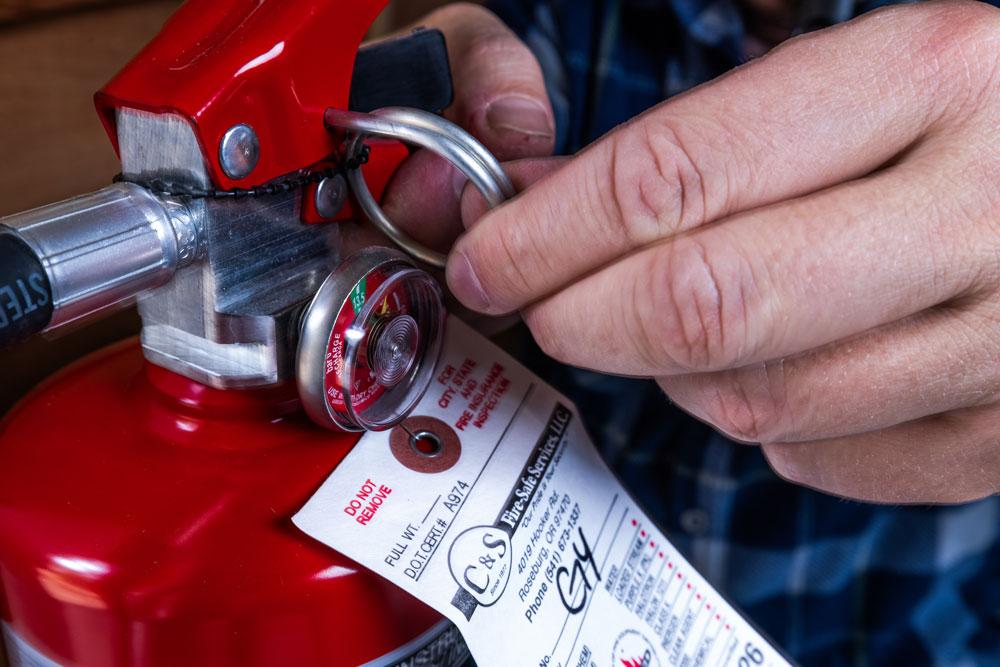
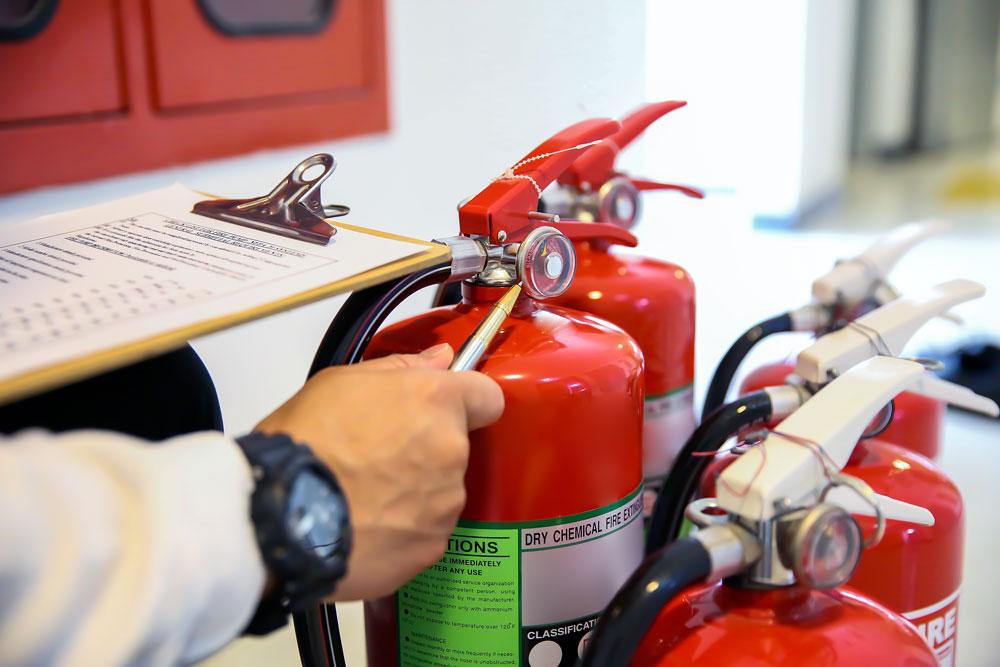
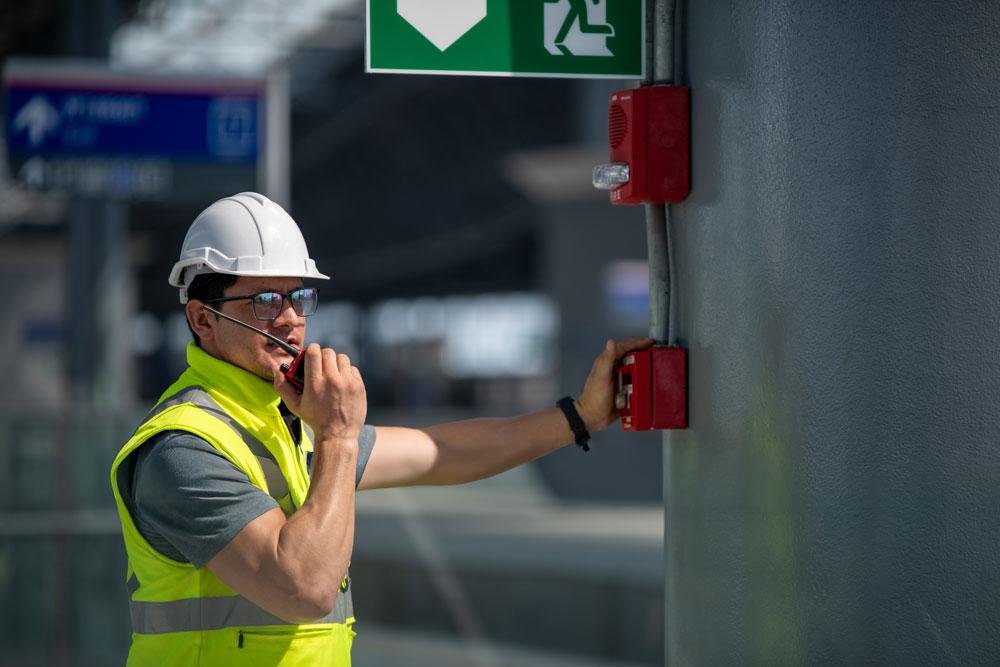
In addition to passive fire protection measures, active fire safety systems are equally important in ensuring any building is resilient to fire. These systems, such as fire sprinklers, smoke alarms, and strategically placed fire extinguishers, will detect and suppress fires as early as possible to minimise damage and protect lives. Depending on the size and complexity of the building, the installation of systems such as emergency lighting and smoke ventilation may also need to be planned for.
With the performance of the materials and systems at Grenfell brought into serious question, manufacturers, designers, contractors, and installers are increasingly aware that not only must the systems and products being used be effective and appropriate, but that there must be a way to evidence this. Designers and specifiers must look to test data from manufacturers and interrogate this information to be certain the product or system meets their needs. Once they are satisfied, it is imperative that the required systems to be used are made clear and for the installation to be done as per the manufacturer’s instructions.
Where this can become complicated is when there are bespoke or unique details without a direct application. Given how different each project is, it is not uncommon to find a wide variety of these ad hoc details, and this is likely to be possible with our example tower. The designers, contractors, and installers must be aware of this and engage in open dialogue to ensure a fire safe building.
Competent construction
The construction industry is still grappling with an ongoing issue, namely generating enough talent who truly understand how to correctly install passive fire protection and what the implications can be of getting it wrong. A wide variety of fire safety products and components will be used in a building as complex as our example, and finding suitably qualified installers can be a challenge. As a consequence, there is often a need to put in place additional levels of checks and inspections, which can mean time and resources on a project are lost, as well as additional liability sitting with contractors.
One clear way that installers can help overcome this issue is by becoming third-party certified. With the lack of any other level playing field for comparison when judging competency, a third-party accreditor is a way of safeguarding and assuring that the work being done is overseen by someone checked by a recognised body.
An example of this for passive fire contractors and installers is the ASFP Competency Framework, which covers “all activities that are required to successfully install passive fire protection products and systems into buildings”. Whilst some subcontractors and installers will focus on a fire safety specific task, such as firestopping, there will be a number of related trades involved in the installation of fire safety materials as a consequence of their primary role.
The ASFP Competency Framework for installation covers the following areas: firestopping, penetration seals, and cavity barriers; recording information; fire-resisting ducts and dampers; fire protection to the structural frame; fire-resistant walls, floors, and ceilings; fire-resisting doors, roller shutters, and associated hardware; and fire-resistant glazing.
Ensuring competency in these areas of fire safety in all staff is vital to ensure our example building will be properly protected from fire. Therefore, not only should the installers be competent, but supervisors and project managers must also be suitably competent to be able to oversee and check the work being done.
Keeping a record
With the introduction of the requirements to maintain a Golden Thread of information relating to the construction of a building, the focus on correct installation must be even greater. Recording the work done during installation is key to the whole process. Those involved in installing the selected materials, products, and systems need to be able to demonstrate that the completed works meet the requirements of the building regulations. Recording construction work accurately across all aspects of a project has always been necessary, however, there is now a renewed focus in relation to fire-related elements.
It is imperative that all the details from construction and installation are correctly recorded. This can be done through photographs and inspection reports to create a complete chain of detailed records. In relation to passive fire protection, it is especially important that the chain is fully complete because much of the installed work will get covered up by later work, for example, behind walls or a false ceiling.
The installation and inspection records of all life safety critical elements, including passive fire protection, will need to be handed over to those responsible for managing and maintaining the building as part of the Golden Thread and, as per Regulation 38. Poor record keeping is simply no longer acceptable.
It is important that the records provided not be viewed as just a static list which captures the work installed. It must also provide a living register that first captures the whole installation and can then be used to help track maintenance. Multiple software applications are available that can assist with this, and can be passed on to the client or building owner, giving them a level of confidence that they know what is happening in their building.
Routine inspections and meticulous maintenance are vital to ensure the ongoing effectiveness of these systems during the use and occupation phase. Neglecting these essential tasks can result in equipment or system failures, rendering the building vulnerable to fire outbreaks.
Conclusion
With suitable, accurate, and understandable detailing provided through early engagement in the design phase, the appropriate materials and products for fire safety can be selected, competently installed, and recorded as buildings under construction continue their journey towards completion, occupation, and use.