

Across the public sector estate – from town halls and hospitals to schools, courts and blue-light facilities – waste has traditionally been treated as a background service. It is essential, but largely invisible; something to be managed efficiently rather than examined strategically
That position is becoming harder to sustain, says Mike Agate of IWFM – the professional body for workplace and facilities managers, which has recently published a new Good Practice Guide – Recycling, Resource and Waste Management.
Tighter regulation, rising expectations around sustainability, and increasing financial pressure are forcing a reassessment of what waste management really means for public sector organisations. It is no longer just about collection and disposal. It is about risk, performance, accountability and, increasingly, value.
A visible measure of organisational performance
Waste can’t be hidden for long. Unlike many other operational services, its success or failure is immediately obvious – whether through overflowing bins, poorly labelled recycling points or inconsistent provision across a site.
In public sector environments, that visibility carries particular weight. Estates are not closed systems – they’re used by staff, service users and the wider public. A poorly managed waste system reflects directly on the organisation itself, inviting questions about efficiency, standards and commitment to sustainability.
This is why, for public bodies operating under scrutiny from taxpayers, regulators and government, best practice guidance is vital.
IWFM is the professional body for workplace and facilities managers. It sets the standards and plays the leading role in building skills and raising the standing of the FM sector. According to head of policy and insight, Andrew Gladstone-Heighton, “With the rise in battery-powered e-waste, and increasing scrutiny and regulations on what we throw away, waste is now a strategic concern. From the moment we’re thinking of acquiring an asset, through its lifecycle, to its end-of-life disposal, we really need to start thinking carefully of everything that comes through our workplaces and spaces. There’re also brand and reputational risks tied to how we manage and dispose of our waste, along with social value opportunities linked to our disposal of furniture and IT.”
A growing compliance burden
At the same time, the regulatory landscape is becoming more demanding. Changes to recycling requirements, particularly around the separation of materials, are placing new obligations on organisations to standardise and improve their systems, and this creates practical challenges. Many public sector buildings are older, space-constrained and not designed with modern waste segregation in mind. Retrofitting can be complex and costly, particularly in live environments where disruption must be minimised.
Then there is the admin burden. Duty of care responsibilities require organisations to understand where their waste goes, ensure contractors are compliant and maintain accurate documentation. With the introduction of more detailed tracking requirements on the horizon, expectations around data and transparency will only increase.
With budgets already under pressure, this creates a difficult balancing act – delivering compliance without adding cost.
Financial pressure and the cost of waste
Rising energy prices, maintenance backlogs and competing service demands leave little room for inefficiency. Waste management, if poorly handled, can quietly add to those pressures. High levels of residual waste, contamination of recycling streams and inefficient contracts all increase costs, often without being fully understood.
But the reverse is also true. Effective resource management and thinking in line with circular economy principles can unlock savings. Reducing waste at source, improving segregation and working more strategically with suppliers can all contribute to lowering disposal costs and improving value for money.
This is where FM’s strategic position really comes into its own. By understanding waste in detail – what is produced, where and why – FM teams can influence decisions that reduce both cost and environmental impact.
Waste as a carbon issue
Perhaps the most significant shift is the recognition of waste as a contributor to carbon emissions. For organisations with net zero commitments, this changes the conversation entirely.
Waste is not just a by-product. It is part of the organisation’s carbon footprint, including emissions from landfill, energy recovery processes and transport. For many public sector bodies, these impacts sit within Scope 3 emissions, which means they’re receiving increasing attention, and this places estates and FM teams firmly within the climate agenda. Decisions about procurement, materials, catering, cleaning and asset management all influence the volume and type of waste generated.
In practice, this means that reducing waste has become a necessary component of meeting carbon targets – and avoiding future financial and regulatory penalties associated with them.
Complexity across diverse estates
Public sector estates are rarely, if ever, straightforward. A single organisation may operate multiple sites, each with different functions, constraints and user groups.
A hospital produces clinical, hazardous and food waste alongside standard recycling streams. A school must manage waste in a way that is simple and safe for pupils. A council building may need to balance office recycling with public-facing waste provision. Across all of these, space limitations, access constraints and operational pressures complicate decision-making.
Hybrid working adds further complexity. Services designed for full occupancy may no longer be appropriate, yet scaling them back introduces risks around compliance and user experience.
Which all means that there is no single ‘correct’ solution. Instead, estates teams must develop tailored approaches that balance regulatory requirements, operational practicality and financial constraints.
Risk beyond compliance
While legal compliance is a central concern, the risks associated with waste management extend further.
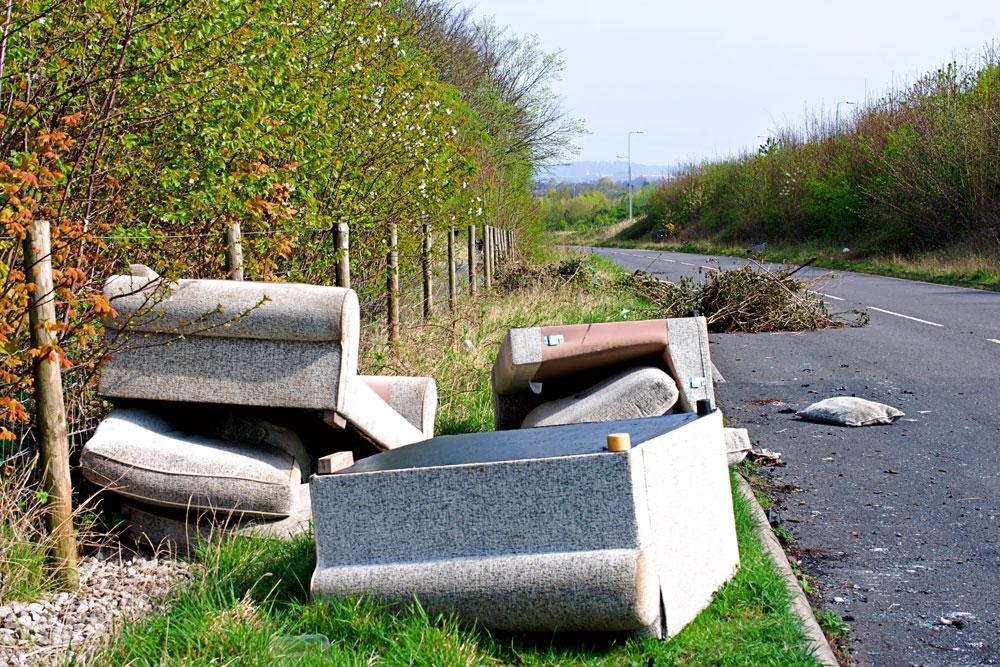
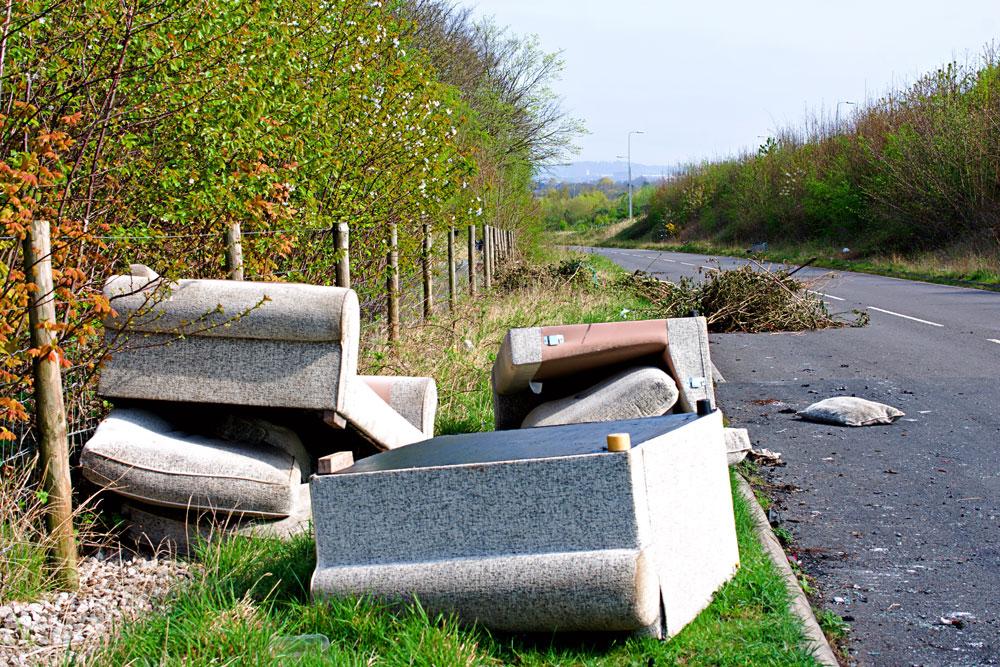
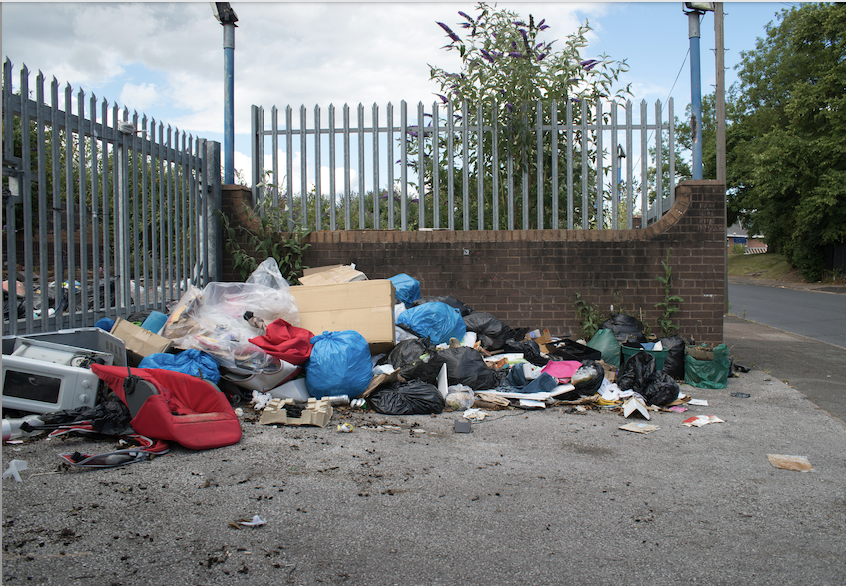
Poor practices can lead to contamination of materials, reducing recycling quality and increasing costs. Weak oversight of contractors can result in waste being mishandled, with potential environmental consequences and reputational damage. High-profile cases of illegal dumping and waste crime illustrate how quickly such issues can escalate into public controversies.
There are also health and safety considerations. Poorly managed waste areas can present risks to staff and users, from fire hazards associated with batteries to physical risks linked to storage and handling.
For public sector organisations, where accountability is paramount, these risks require consistent oversight, clear processes and robust partnerships with service providers.
Delivering social value through waste
Waste management also offers opportunities that align closely with public sector priorities around social value.
Surplus materials and equipment can be diverted for reuse, supporting community organisations or reducing demand for new resources. Partnerships with local suppliers can reduce transport impacts and support regional economies. Programmes can be linked to education, skills and employment initiatives.
These outcomes are increasingly reflected in procurement processes, where contracts are assessed not only on cost and service, but on their contribution to wider social and environmental goals.
For FM teams, this presents an opportunity to demonstrate impact beyond operational delivery. Waste becomes a route through which estates can contribute to organisational objectives in a tangible and measurable way.
The role of behaviour and culture
Even the best-designed systems depend on people to function effectively. Contamination of recycling, misuse of bins and inconsistent behaviours are common challenges across all types of estate.
In public sector environments, this is compounded by the diversity of users. Staff, visitors, patients, students and contractors all interact with waste systems in different ways.
Clear communication is therefore critical. Signage, staff engagement and consistent messaging all play a role in shaping behaviour. Crucially, users need to understand not just what to do, but why it matters – whether in terms of cost, environmental impact or organisational values.
Cultural change is rarely immediate, but without it, even well-designed systems will struggle to deliver intended outcomes.
A strategic function in a time of change
Taken together, these pressures point to a broader shift in how waste management is viewed. It’s no longer sufficient to treat it as a discrete operational task. Instead, it needs to be understood as part of a wider system that touches on finance, sustainability, compliance, risk and public perception.
This is where facilities management can add huge value – something IWFM has been working very hard to promote. By bridging strategy and operation, FM professionals are uniquely placed to translate organisational goals into practical, site-level solutions. They can influence procurement, shape behaviours, manage risk and deliver measurable improvements.
At a time when public sector organisations are being asked to do more with less, that professional capability is vital.
Waste, in this context, is not just about what is discarded. It is about how organisations use resources, manage risk and demonstrate responsibility in an environment where performance is always on show.