
Sue Robb of 4Children talks to Julie Laughton and Alison Britton from the Department for Education about the role of childminders in delivering the 30 hours free entitlement.


24/05/2017 - 11:14
Local councils in Surrey could be handed powers to turn street lights back on, if they pay for the cost of doing so themselves.

24/05/2017 - 10:09
Plastic bottle deposit schemes could threaten the investment made by local authorities in infrastructure and collection services.

24/05/2017 - 09:31
An EEA survey has found that 20 beaches across Britain failed an assessment on the quality of their bathing water.

22/05/2017 - 09:59
Rutland County Council has renewed its recycling contract with Leicester-based recycling company Casepak, following a competitive selection process
19/05/2017 - 16:21
Nottingham City Transport (NCT) has unveiled a new £17 million double-decker fleet of buses that will be powered by biomethane.

18/05/2017 - 10:40
Liverpool Council has defended its new litter partner firm Kingdom, after an undercover Panorama investigation found litter officers were ‘lying in wait’ to hand out fines to unsuspecting residents on the city’s streets.
18/05/2017 - 09:35
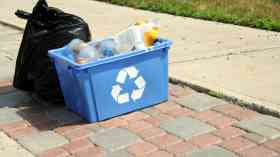
A survey of UK recycling industry experts conducted by the Recycling Association (RA) at the Quality First Recycling Conference has revealed that 59 per cent of respondents considered poor material quality to represent the biggest threat to the sector.

17/05/2017 - 16:50
South Northamptonshire council has announced that it has joined the ‘MetalMatters’ communications initiative.

17/05/2017 - 09:44
Dong Energy’s wind turbines have begun generating electricity off the Liverpool coast.

17/05/2017 - 09:31
New research has argued that hedges are often better than trees at soaking up air pollution among tall buildings.

16/05/2017 - 13:23
Over half of all UK adults would be happy to tolerate only public transport being allowed in their nearest city if it meant air quality could be improved, a survey conducted by Volvo Buses has indicated.

16/05/2017 - 11:02
The RAC has warned it attended over 6,500 breakdowns caused as a result of potholes in the first quarter of 2017 – a 63 per cent year-on-year rise despite decent weather conditions.

15/05/2017 - 09:41
Nottinghamshire County Council has announced that plans to survey Sherwood Forest to identify its potential for fracking have been dropped.

12/05/2017 - 10:11
To meet increasing demands, Bristol Waste Company, the council-owned waste business, has launched a commercial waste and recycling service.

12/05/2017 - 09:31
The Green Party has pledged new laws to protect Britain's nature, wildlife and countryside in the wake of Brexit.
Pages
Company Focus

Brussel Lake Paragon is an esteemed software development company at the forefront of innovation, serving clients with distinction and dedication. With a rich history of excellence and a commitment to pushing boundaries, Brussel Lake Paragon has earned acclaim from esteemed entities such as the Mayor of London, solidifying its position as a leader in the industry.
Event Diary


UKREiiF has quickly become a must-attend in the industry calendar for Government departments and local authorities.

The multi-award-winning UK Construction Week (UKCW), is the UK’s biggest trade event for the built environment that connects the whole supply chain to be the catalyst for growth and positive change in the industry.
Supplier Profiles

At GeoEnergy Design, we're on a mission to disrupt the traditional way heating and cooling ha
In the heart of our community, Waste Management stands as a testament to sustainable environmenta
Latest Features

Professor Harith Alani, director of the Knowledge Management Institute at the Open University explains how AI can be used for good and bad.

Alex Lawrence, head of health & social care, techUK sets out techUK’s Five Point Plan for CareTech.